A leak, missing shingles, or storm damage doesn't always mean a new roof. We fix what's actually broken — and tell you honestly if it doesn't.
Outside our answered hours — Tommy gets back to you on the next business day.
From homeowners across Monmouth & Ocean County.
Neighborhood Fave four years running, in 24 neighborhoods. See the profile →
Call or text (732) 639-2687 and send a photo of the stain. While you are waiting on somebody to get there, four things keep a small leak from becoming a ceiling.
Furniture, rugs, electronics. Water runs along framing before it drops, so the wet patch on the ceiling is often nowhere near the hole it came from.
A bucket under the drip. If the ceiling is sagging or bulging, that is trapped water and the weight will bring the whole section down. One small hole at the lowest point of the bulge, bucket underneath, drains it on your terms instead of at 3am.
The stain inside and the roof above it from the ground. Your insurer wants the before, and photos are how you get a real number from us without waiting on an appointment.
Not in rain, not in wind, not to throw a tarp over it. A wet pitch is how people get hurt. That is the part to call us for.
5.0 stars across 81 Google reviews.
Most of these are visible from the ground or a quick attic check. If any of them sound familiar, it's worth a free inspection before it turns into a bigger problem — or bigger bill.
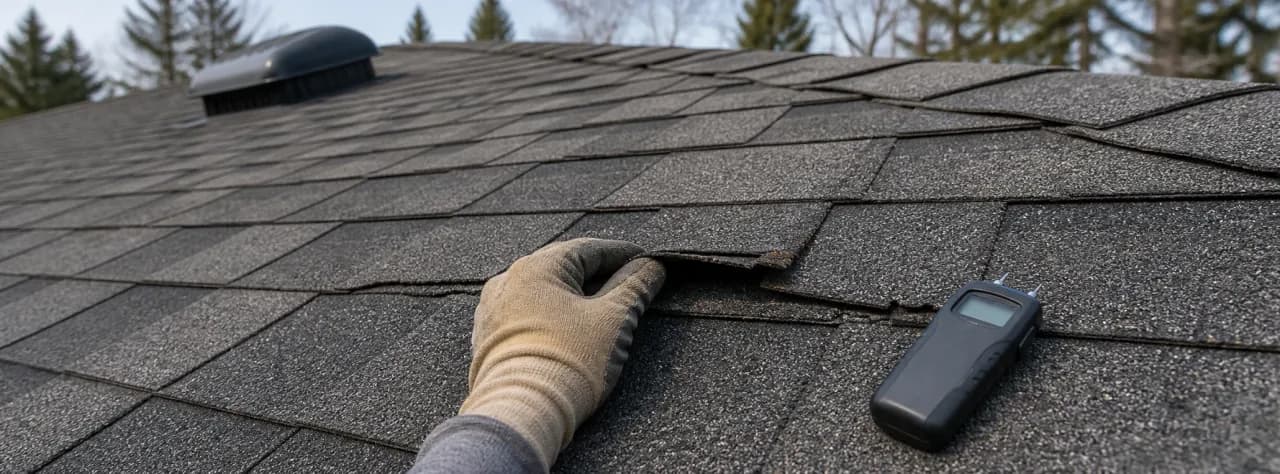
We walk the roof in person, usually the same day or next day. No waiting a week to find out what's actually wrong.
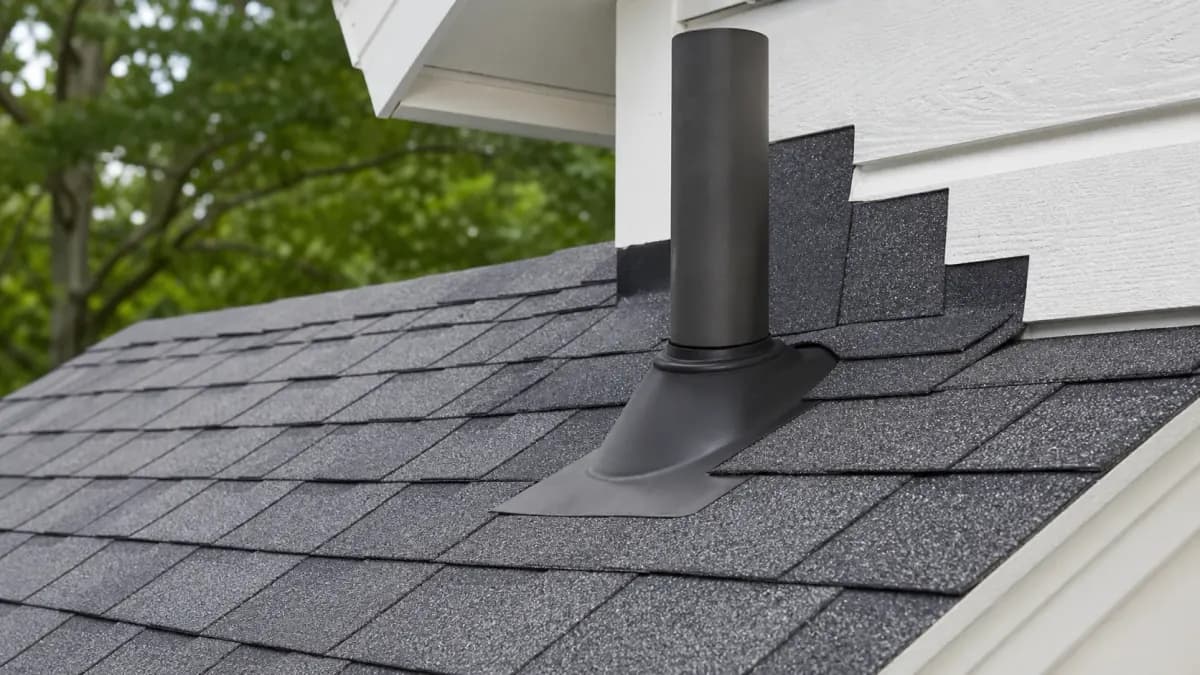
The places a Jersey roof actually starts leaking. Metal at a chimney or a vent, a split pipe boot, a ridge cap, a nail that backed out. Found and fixed, not guessed at.
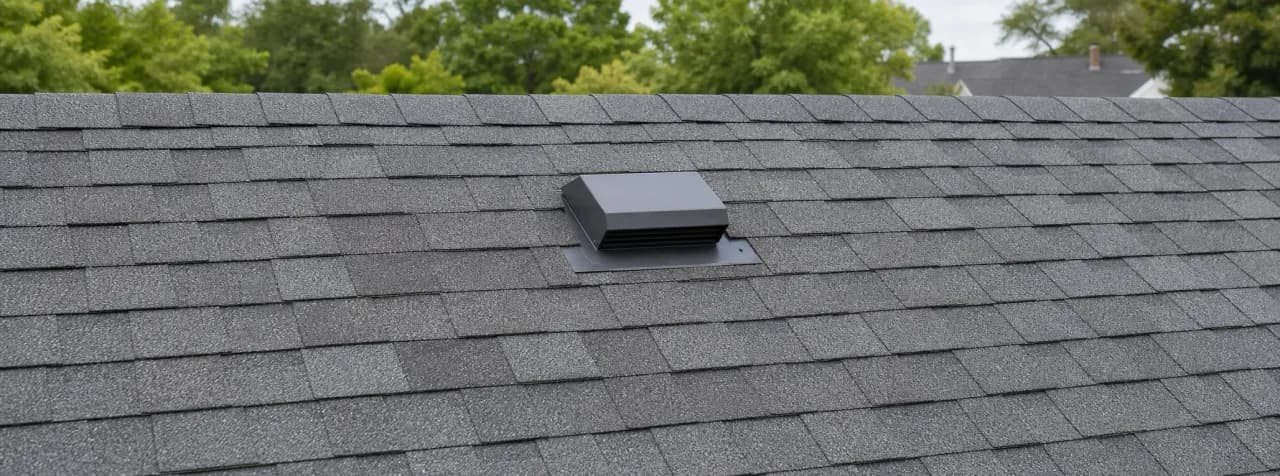
Matched materials, no shortcuts. Before we leave, you get a written estimate on the spot — a real number, not a follow-up call three days later.
Water gets in at a joint, runs along a rafter and drops through the ceiling somewhere else entirely. That is why guessing from the stain almost never works, and why the fix is usually smaller than people brace for. These are the places that account for most of what we find on a Monmouth County roof.
If the water is showing up at the edge of the roof rather than in the middle of a room, start with the gutters. An overflow behind the fascia soaks the roof edge and looks exactly like a roof leak from inside.
Metal meeting shingle, two materials expanding at different rates for twenty years. It is the single most common place a Jersey roof starts leaking, and it is a repair, not a new roof.
Where two slopes meet, every gallon on that roof funnels through one line. Leaves pack in, hold water against the shingles and lift them. Clearing a packed valley is work we do; rebuilding failed valley metal is not, and we will tell you which one you have.
The rubber collar around a plumbing vent dries out and splits, usually somewhere past year ten. Cheap to put right, easy to miss from the ground.
One tab breaks its seal and the next storm drives water under the course above it. This is why a shingle that blew off in March shows up as a stain in June.
A nail backs its way out, tents the shingle above it and leaves a hole straight through the decking. Nothing is visibly missing, and it still leaks.
Flat and low-slope sections fail at the seams, at the flashing where they run into a wall, and anywhere water sits after the rain stops instead of running off. On a pitched house it is usually a porch, a dormer or an addition hiding one.
Most skylight leaks are not the glass. It is the flashing and the seal around the kerb it sits in, which weathers on the same clock as any other metal up there. It is a repair, and it does not mean a new skylight.
A gutter that overflows behind the fascia soaks the roof edge and the sheathing under it. If the leak is at the eave, the roof is often not the problem.
Worth saying plainly, because most of the local roofing pages that say repair are a soft pitch into a full tear-off. Tommy does not sell roofs. If you have one bad spot, that is the job we want. If the whole roof is done, we will tell you that and we will not quote it, which is an answer worth having from somebody with nothing to gain either way.
A few jobs are not ours even when they are repairs: rebuilding failed valley metal, flashing where a roof runs into a side wall, and anything that needs the decking underneath replaced. We would rather say that here than at your house.
Nothing on either list is a diagnosis. Plenty of roofs that look finished from the driveway have one failed joint and twenty years left in them. That is what the free inspection is for.
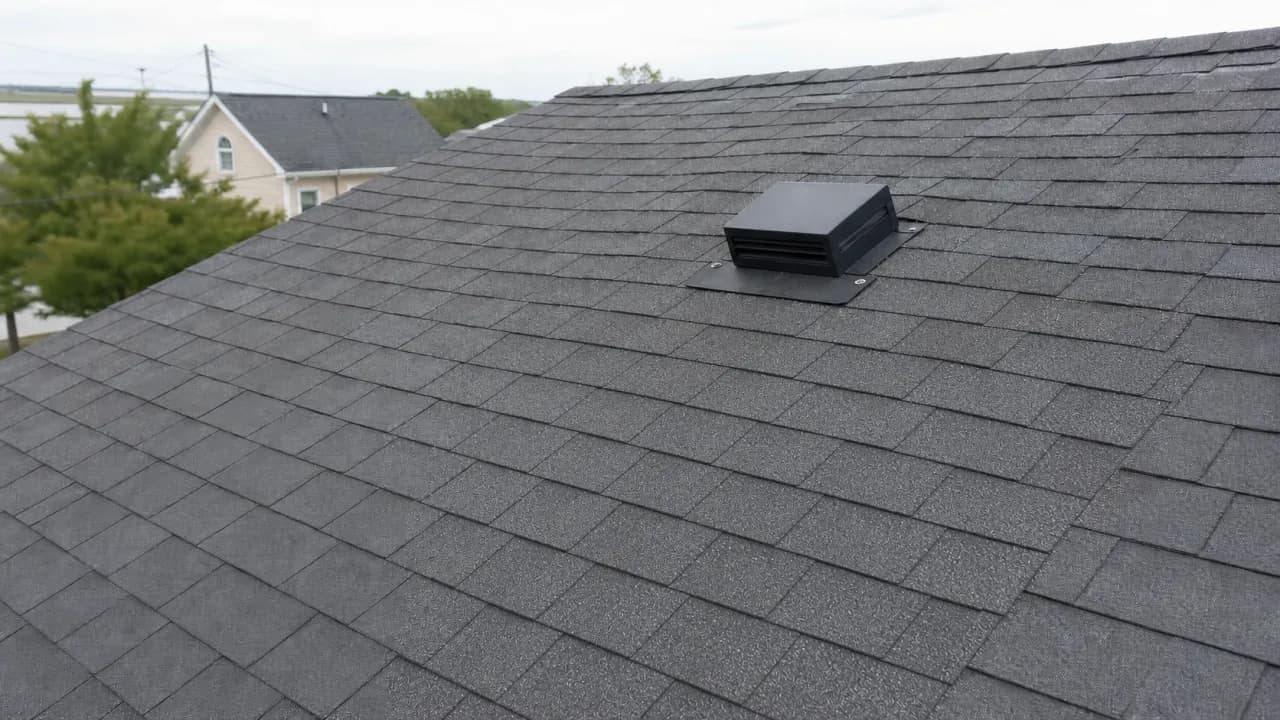
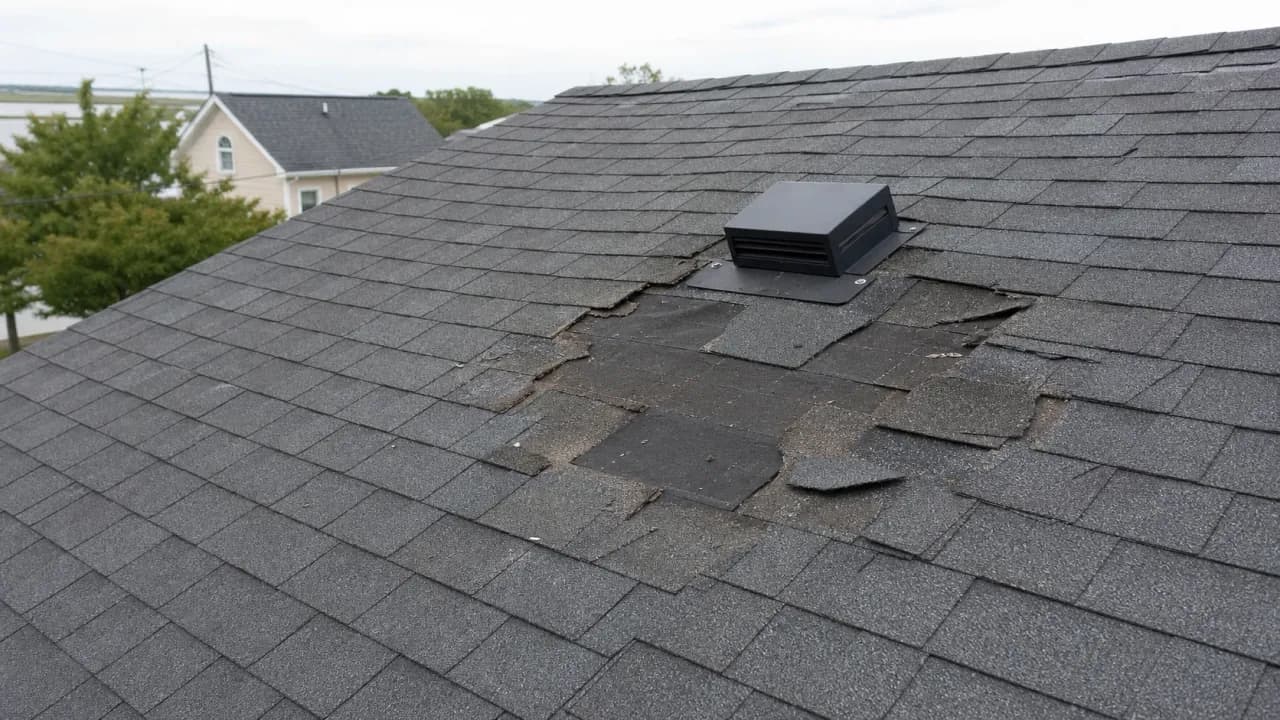
Shingle repair
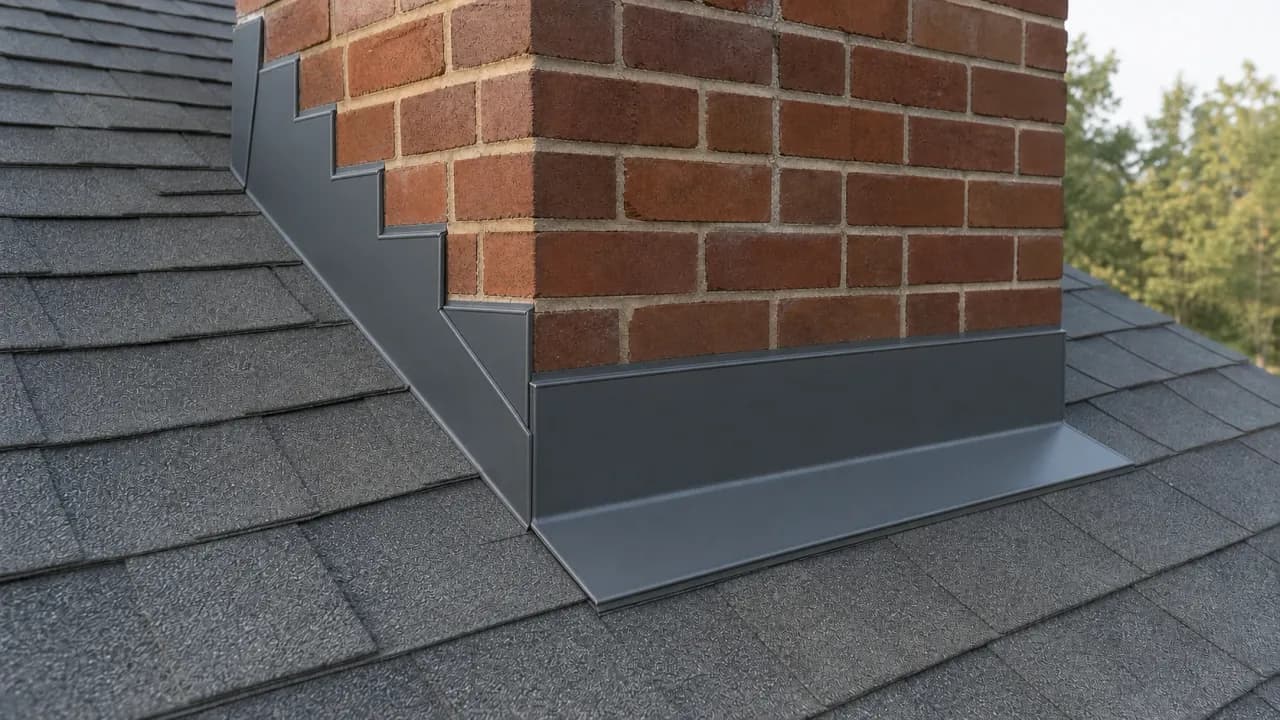
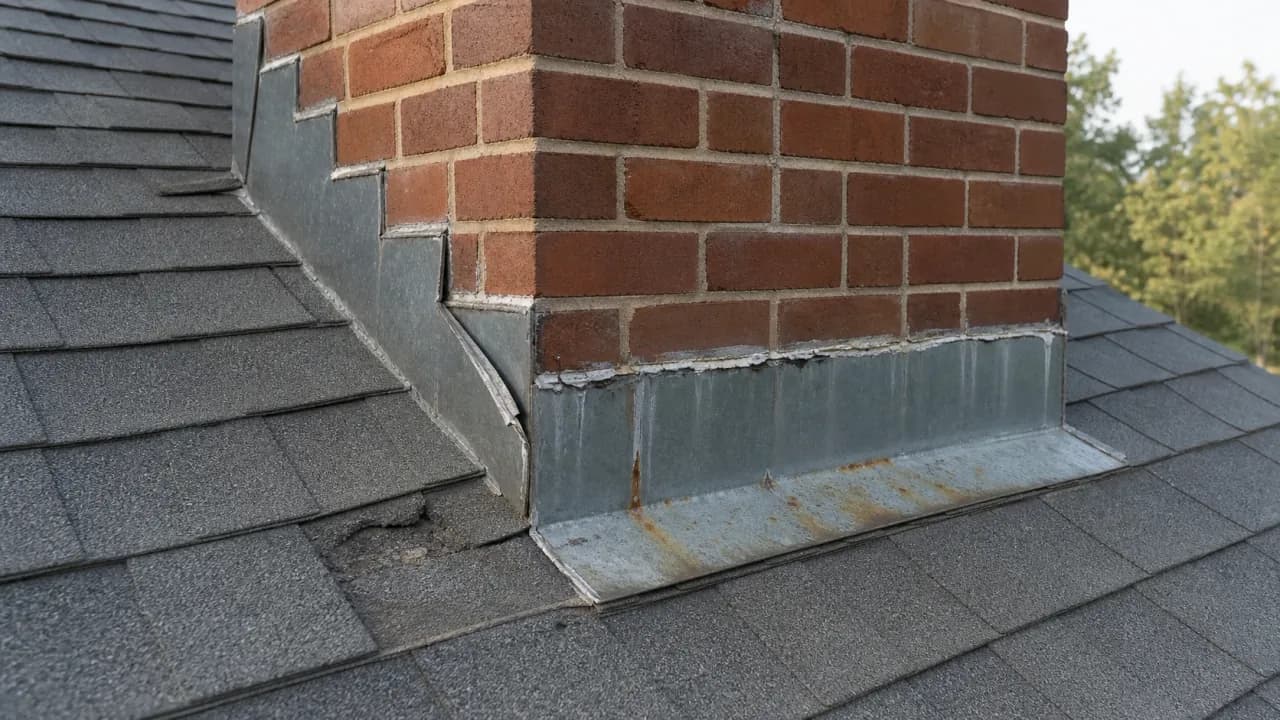
Chimney flashing repair
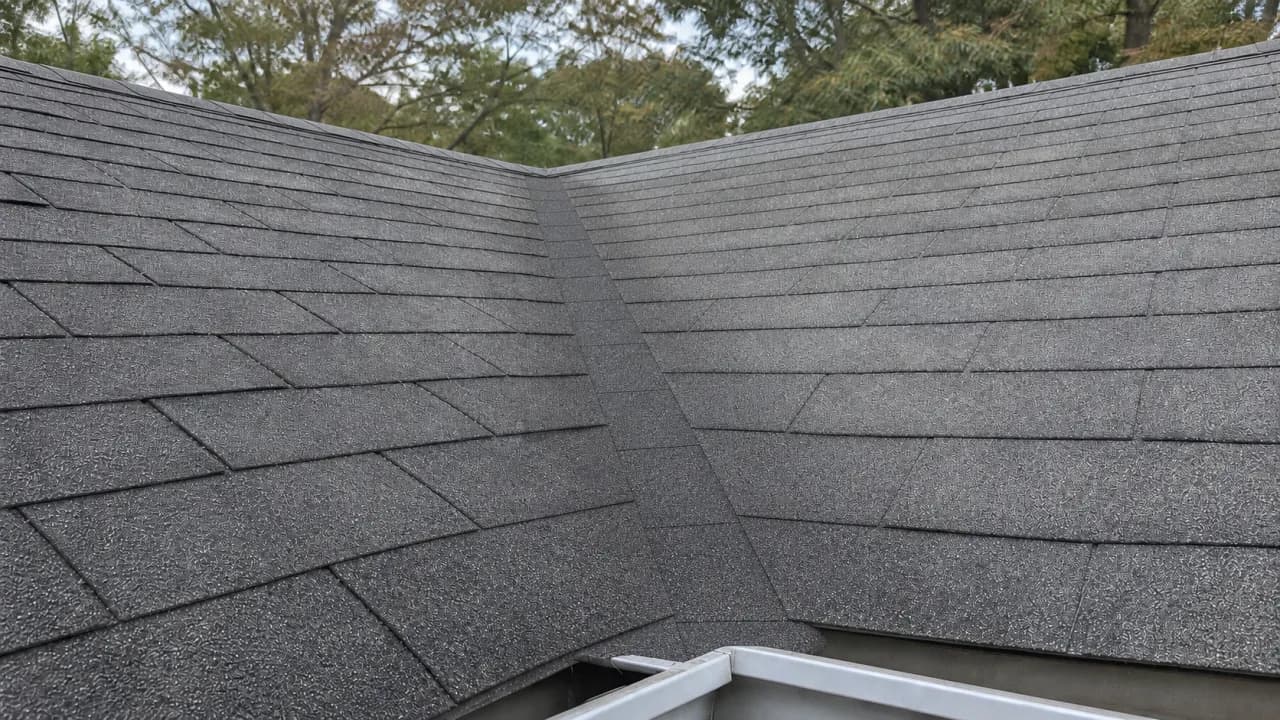
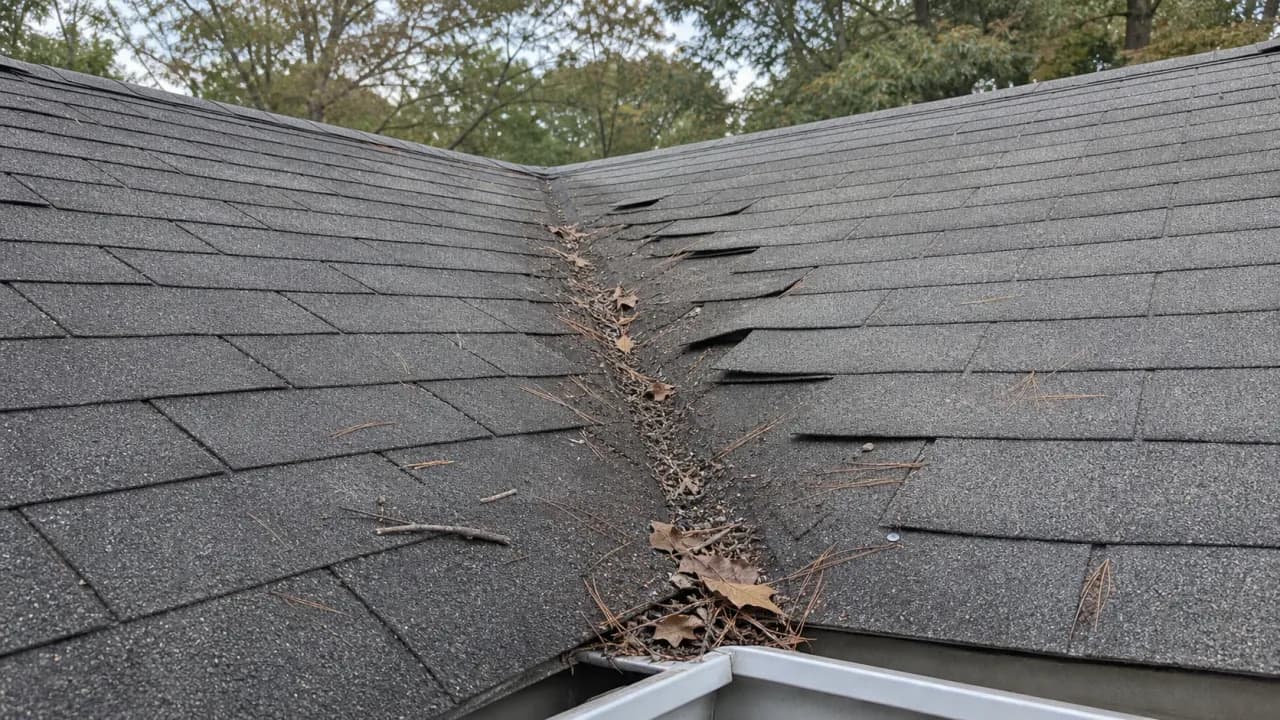
Valley cleanup
A roof leak is the one thing that gets worse while you wait for someone to come and look at it. You don't have to wait for an appointment to find out what it costs.
The stain on the ceiling or wall inside, and the roof above it from the ground. Where it shows up inside is often nowhere near where the water gets in.
Shingle condition, flashing, vents and valleys, and how much of the roof is involved. The same things he'd be checking up there.
A real price for the repair, and an honest answer on whether it is a repair at all. Not "someone will be in touch to schedule an estimate."
Or send them straight to (732) 639-2687.
It comes down to one question: did something happen to your roof, or did your roof wear out? Insurers pay for the first and almost never for the second.
We are roofers, not adjusters. We do not file claims and we cannot tell you what yours will pay. What we can do is document what we find up there: photographs, what failed, and what putting it right involves. That is the part an adjuster asks for and the part most homeowners do not have.
One thing worth knowing before you call it in. If the repair lands anywhere near your deductible, a claim can cost you more than it returns once it is on your record. Get the number first, then decide.
Based in Red Bank. We cover all of Monmouth County, down to Spring Lake and Manasquan. In Ocean County we stay just over the line.
A roof repair is not one job, so a flat rate would be a made-up number. Two leaks that look identical from the driveway can be hours apart in what they take. Here is where the common ones start, and then the six things being weighed when somebody looks at yours.
Every roof visit starts at $250. That covers the trip, the ladder work and the setup, and it applies however small the repair turns out to be. The figures below are where the work itself starts, so where one reads less than the minimum, the minimum is what applies.
Starting points on a roof nobody has seen yet, not quotes. What you pay is what Tommy writes down in front of you after he has been up there.
Pitch and height. A steep second-storey slope means harnesses and staging before anyone touches a shingle.
A split pipe boot is a part and half an hour. Chimney flashing is metalwork, cut and fitted on site.
Water that has been getting in a while rots the decking under the shingles. We do not replace decking, so soft boards are the point where this stops being a repair we take on and we will tell you so.
One course of shingles against a full slope. The setup cost is the same either way, so small jobs cost more per square foot than big ones.
The trip, the ladder work and the setup cost the same on a half-hour repair as on a half-day one, so every roof visit has a minimum regardless of how small the job turns out to be.
Older roofs run into discontinued colours. Matching one costs time before it costs materials.
The fastest way to a real number is photographs. Send the stain inside and the roof above it and you get a price back, rather than an appointment to find out what the appointment costs. Use the form just above, or text them straight to (732) 639-2687.
Google review · 5.0